
From Fragmented Data to Better Manufacturing Decisions
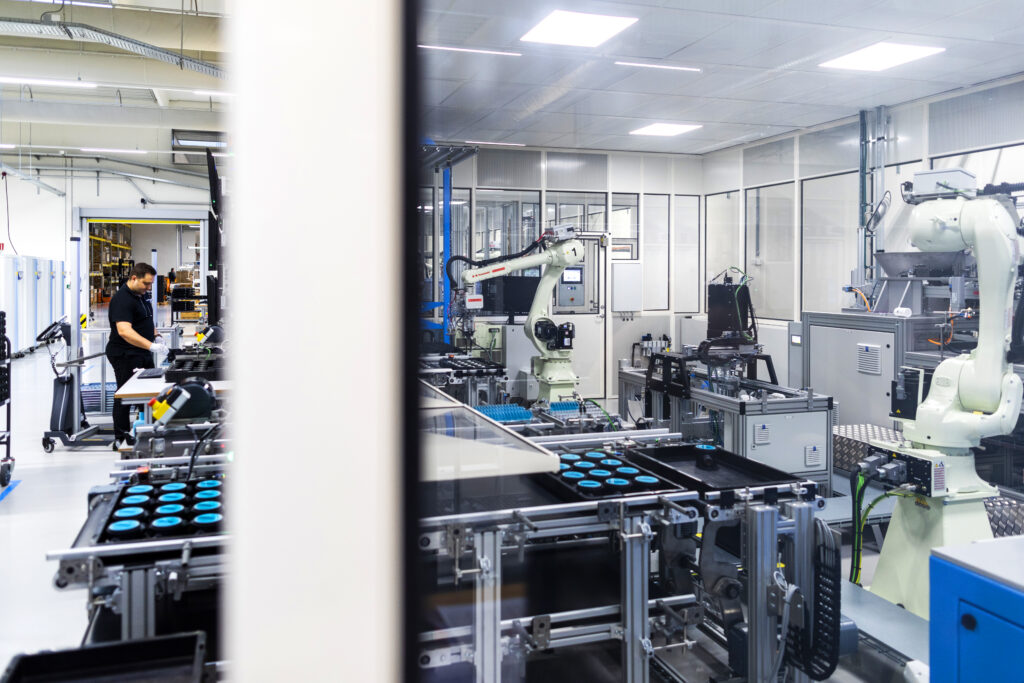
At Kamstrup, we work in a highly automated manufacturing environment. Our production is supported by many systems, machines, and data sources. Each of them gives us useful insight.
But they do not always speak the same language.
ERP data, production data, machine data, and IoT data are often structured differently. They have different owners, different levels of detail, and different timing. This makes it harder to create one clear view of production and the wider value chain.
Being part of DMaaST has challenged us to look more closely at our data setup. It has pushed us to become more precise about data needs, architecture, governance, and how data should be shared and used. It has also helped us ask a simple but important question:
What kind of data foundation do we need if we want to make better manufacturing decisions?
We have mapped production processes, value-chain processes, data sources, architecture principles, and governance needs. We have also identified use cases where better data can support better decisions in the future.

One of the clearest learnings is that connected manufacturing data needs both coverage and detail.
Coverage means understanding which parts of production and the value chain should be included. It is not enough to improve one isolated area if the rest of the flow remains disconnected. We need to understand how systems, machines, processes, and planning activities depend on each other.
Detail means knowing whether the data is good enough to support real decisions. For example, digital twin modelling has shown us that we need richer machine data. This includes machine status, alarms, and condition signals. Without this level of detail, it becomes difficult to understand what is really happening in production and what actions could improve it.
This has made data quality and structure a much more practical discussion. It is no longer only about reporting. It is about whether the data can be trusted, connected, and used across different parts of the organisation.
A key part of this journey is the idea of a structured data flow. For us, this means agreeing what data should look like, where it should go, how fast it should move, and who should be able to use it.
DMaaST has acted as a catalyst by making data structure, governance, and architecture questions more concrete and harder to postpone. This has enabled data architecture, governance, and data sharing to move from technical topics into shared business priorities. This matters because better manufacturing decisions depend on more than collecting data. They depend on clear ownership, agreed structures, reliable flows, and a shared understanding of what the data represents.
It has also supported a broader discussion about how Kamstrup works with data across production, IT, and data teams. We are moving toward a more unified way of accessing and sharing data across departments. This creates a better foundation for collaboration between the people who produce, manage, and use manufacturing data.
For Kamstrup, one important outcome so far is not a finished solution. It is a clearer understanding of what is needed. We have become more aware of where our data is strong, where we have gaps, and what must be improved if we want to support future digital manufacturing capabilities.
DMaaST gives us a framework for this work. It connects our internal journey with broader European work on resilient, data-driven, and sustainable manufacturing. It also gives us valuable sparring on topics such as digital twins, data interoperability, and decision support.
We are still learning. But the direction is clearer.
For Kamstrup, DMaaST has so far been an important enabler in a broader data journey. It has helped us sharpen the work on data architecture, governance, structured data flows, and new ways of working across production, IT, and data teams. As the project continues, this foundation will be important when future DMaaST capabilities are tested and evaluated in practice.
The goal is simple: to move from fragmented data toward better manufacturing decisions.
Lead data scientist, Kamstrup.
