
DMaaST: Strengthening Resilience, Digitalisation and Sustainability in European Manufacturing
IDENER Research & Development is in charge of the DMaaST project. It is leading a European consortium with a common goal: to make manufacturing value networks more resilient through new digital technologies, new ways of working together, and a strong commitment to sustainability and the Manufacturing as a Service (MaaS) model.
The project is being worked on in a world where things are going wrong that have shown how weak traditional manufacturing systems are. At the same time, the industry is going through a big change because of digitalisation, the need for sustainability, and the fact that the market is becoming more unstable. Manufacturers are feeling more and more pressure to be more flexible, open, and efficient with their resources while still being competitive and following European rules.
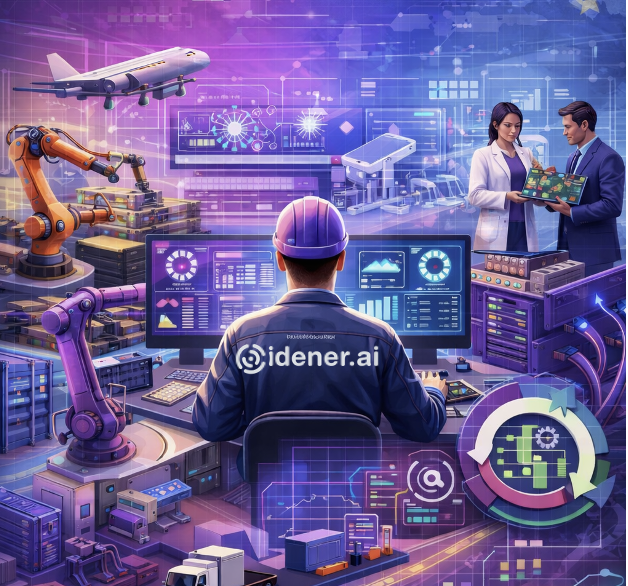
In this case, DMaaST offers a complete answer through the Smart Manufacturing Assessment Platform (SMAP). The platform lets you plan for unexpected events, figure out how they will affect things, and make smart decisions in complicated industrial settings. DMaaST helps businesses understand how their operations work and how decisions affect performance, resilience, and sustainability by combining secure cross-organizational data interoperability with cognitive digital twins, multi-objective decision support, and sustainability assessments.
As the Project Coordinator, I am very excited to be a part of DMaaST, which is a project that is both important and ambitious. This kind of project could really make a difference, not just in terms of technology, but also in how people think about and run manufacturing today. DMaaST is a real change in the way things are done. It moves manufacturing from rigid, isolated models to a more flexible, digital, and service-oriented ecosystem.
The most motivating thing for me is how DMaaST can help businesses deal with problems that are getting harder and harder to predict. Industrial operations can be severely affected by things like shortages of materials, problems with the supply chain, or force majeure events. We have already seen this happen in real life in the last few years with the pandemic. It was something none of us expected, but it showed how weak global manufacturing and supply networks are. DMaaST’s goal is to give businesses the tools they need to better prepare for, understand, and respond to these kinds of situations, so that they are better prepared instead of just reacting when something goes wrong.
It is especially satisfying to see how our understanding of the use cases grows every day as part of the project. We learn more about the real problems that industrial partners face on the factory floor and throughout their value chains when we work closely with them. We can find out what their biggest problems are and make sure that our technological advances meet their real-world needs, not just our own ideas about what they should be.
In my opinion, DMaaST’s close ties to the business world are one of its best features. The project does not create technology in a vacuum; instead, it works with manufacturers to build solutions that take into account their real-world needs, limitations, and priorities. DMaaST brings new ideas closer to manufacturing, making sure that advanced concepts like cognitive digital twins, distributed decision support, and Manufacturing as a Service are not only technically sound, but also useful, relevant, and valuable for the industry.
Being a part of this journey is inspiring for both my work and my life. DMaaST shows how working together on European research can bring about real change. It helps the manufacturing sector become more adaptable to change, more resilient to disruption, and better able to move toward a more sustainable and digital future.
Author: Lucía Gálvez del Postigo Gallego, Project Manager at IDENER
